Dec 22, 2025
The Psychology Of Premium: Why Some Brands Charge 5x More For The Same Offer
Dec 22, 2025
The Psychology Of Premium: Why Some Brands Charge 5x More For The Same Offer
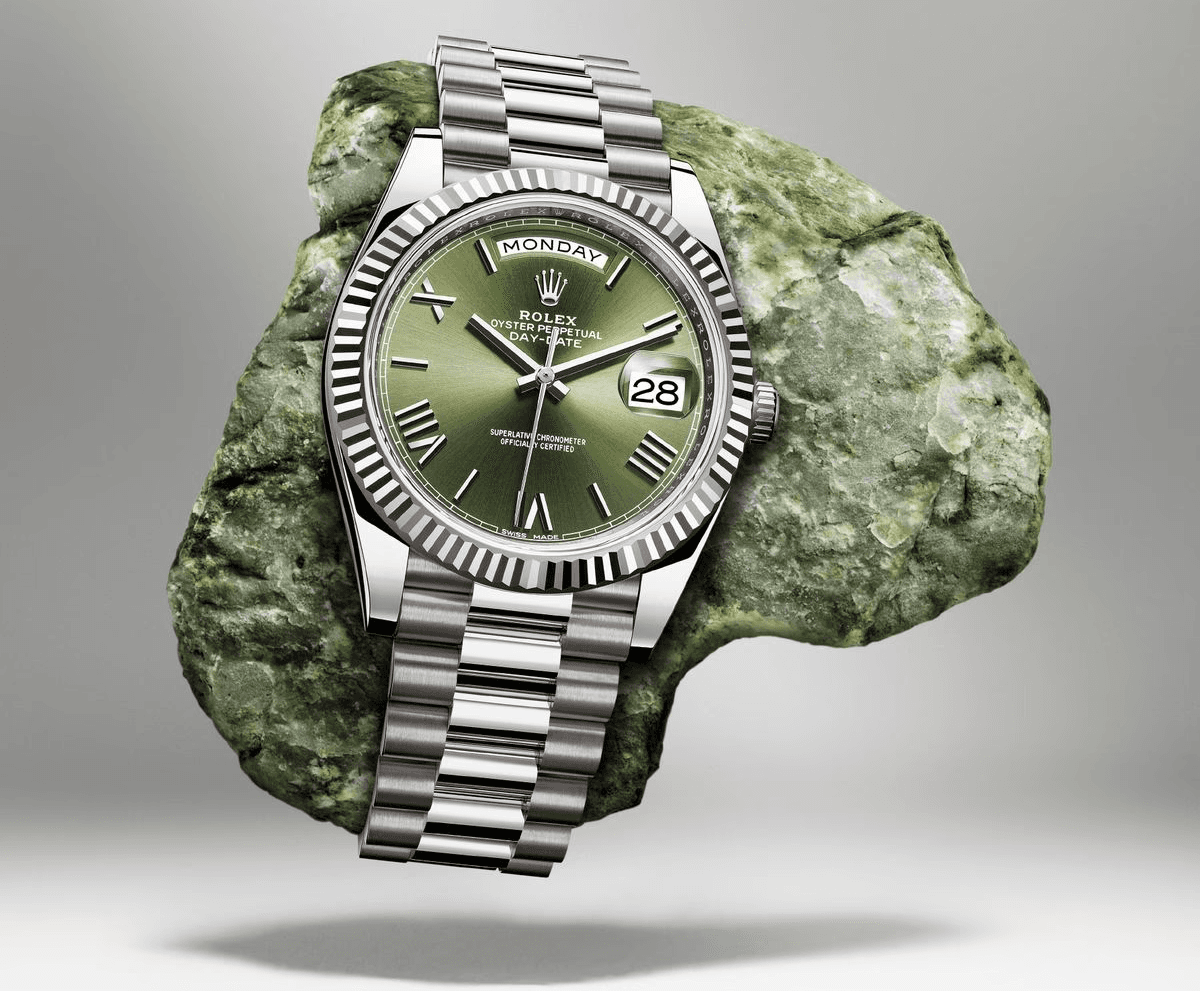
Price is rarely about cost. In premium markets, pricing is a psychological signal that communicates confidence, competence, and control. Two businesses can sell effectively the same offer, yet one charges five times more and attracts better clients, while the other competes on discounts.
Why Price Is A Perception Mechanism
Most buying decisions are emotional first and rational second. Price acts as a shortcut for quality when buyers lack perfect information. Higher prices imply reduced risk, higher standards, and stronger outcomes, even before the offer is evaluated in detail.
Premium brands understand that customers are not just buying a product, they are buying certainty. A higher price signals that the brand is selective, experienced, and confident in its value. This shifts the buyer’s mindset from comparison to qualification.
When pricing is low, buyers scrutinise details and look for reasons to hesitate. When pricing is high, buyers look for reasons to believe. This reversal is the core psychological advantage of premium positioning.
The Elements That Justify Premium Pricing
Context matters more than features. Premium brands frame their offer within a larger narrative, positioning it as a solution to a meaningful problem rather than a list of deliverables. This reframing elevates perceived value without changing the core offer.
Social proof plays a decisive role. Case studies, client quality, and visible outcomes reduce perceived risk and make higher prices feel reasonable. People trust what others like them have already validated.
Scarcity and selectivity reinforce value. Limited availability, clear boundaries, and firm standards communicate that access is earned, not purchased. This transforms price from a barrier into a filter.
Why Most Brands Cannot Charge More
The inability to charge premium prices is rarely a pricing issue, it is a positioning issue. Brands that look, sound, and behave like commodities are treated as such by the market.
Inconsistent messaging, unclear differentiation, and reactive selling erode trust. When a brand cannot articulate why it exists or who it is for, price becomes the only lever left to pull.
Premium brands invest heavily in clarity. They know exactly who they serve, what they solve, and why their approach is different. This clarity creates confidence, both internally and externally.
Building A Brand That Commands Higher Prices
Premium pricing is earned through alignment. Every touchpoint, from content and communication to delivery and follow-up, must reinforce the same level of quality and intention.
Consistency compounds perception. When a brand repeatedly delivers a coherent experience, the market adjusts its expectations accordingly. Over time, higher prices feel not only justified but expected.
Ultimately, premium is not about charging more, it is about meaning more. Brands that understand the psychology of value do not convince customers to pay higher prices, they create an environment where higher prices make sense.
Author

Anton Bosredon
Co-founder of CC
Related
News

©
2026 createacommunity.com
Dec 22, 2025
The Psychology Of Premium: Why Some Brands Charge 5x More For The Same Offer
Dec 22, 2025
The Psychology Of Premium: Why Some Brands Charge 5x More For The Same Offer
Price is rarely about cost. In premium markets, pricing is a psychological signal that communicates confidence, competence, and control. Two businesses can sell effectively the same offer, yet one charges five times more and attracts better clients, while the other competes on discounts.
Why Price Is A Perception Mechanism
Most buying decisions are emotional first and rational second. Price acts as a shortcut for quality when buyers lack perfect information. Higher prices imply reduced risk, higher standards, and stronger outcomes, even before the offer is evaluated in detail.
Premium brands understand that customers are not just buying a product, they are buying certainty. A higher price signals that the brand is selective, experienced, and confident in its value. This shifts the buyer’s mindset from comparison to qualification.
When pricing is low, buyers scrutinise details and look for reasons to hesitate. When pricing is high, buyers look for reasons to believe. This reversal is the core psychological advantage of premium positioning.
The Elements That Justify Premium Pricing
Context matters more than features. Premium brands frame their offer within a larger narrative, positioning it as a solution to a meaningful problem rather than a list of deliverables. This reframing elevates perceived value without changing the core offer.
Social proof plays a decisive role. Case studies, client quality, and visible outcomes reduce perceived risk and make higher prices feel reasonable. People trust what others like them have already validated.
Scarcity and selectivity reinforce value. Limited availability, clear boundaries, and firm standards communicate that access is earned, not purchased. This transforms price from a barrier into a filter.
Why Most Brands Cannot Charge More
The inability to charge premium prices is rarely a pricing issue, it is a positioning issue. Brands that look, sound, and behave like commodities are treated as such by the market.
Inconsistent messaging, unclear differentiation, and reactive selling erode trust. When a brand cannot articulate why it exists or who it is for, price becomes the only lever left to pull.
Premium brands invest heavily in clarity. They know exactly who they serve, what they solve, and why their approach is different. This clarity creates confidence, both internally and externally.
Building A Brand That Commands Higher Prices
Premium pricing is earned through alignment. Every touchpoint, from content and communication to delivery and follow-up, must reinforce the same level of quality and intention.
Consistency compounds perception. When a brand repeatedly delivers a coherent experience, the market adjusts its expectations accordingly. Over time, higher prices feel not only justified but expected.
Ultimately, premium is not about charging more, it is about meaning more. Brands that understand the psychology of value do not convince customers to pay higher prices, they create an environment where higher prices make sense.
Author
Anton Bosredon
Co-founder of CC
Related
News
©
2026 createacommunity.com
Dec 22, 2025
The Psychology Of Premium: Why Some Brands Charge 5x More For The Same Offer
Dec 22, 2025
The Psychology Of Premium: Why Some Brands Charge 5x More For The Same Offer
Price is rarely about cost. In premium markets, pricing is a psychological signal that communicates confidence, competence, and control. Two businesses can sell effectively the same offer, yet one charges five times more and attracts better clients, while the other competes on discounts.
Why Price Is A Perception Mechanism
Most buying decisions are emotional first and rational second. Price acts as a shortcut for quality when buyers lack perfect information. Higher prices imply reduced risk, higher standards, and stronger outcomes, even before the offer is evaluated in detail.
Premium brands understand that customers are not just buying a product, they are buying certainty. A higher price signals that the brand is selective, experienced, and confident in its value. This shifts the buyer’s mindset from comparison to qualification.
When pricing is low, buyers scrutinise details and look for reasons to hesitate. When pricing is high, buyers look for reasons to believe. This reversal is the core psychological advantage of premium positioning.
The Elements That Justify Premium Pricing
Context matters more than features. Premium brands frame their offer within a larger narrative, positioning it as a solution to a meaningful problem rather than a list of deliverables. This reframing elevates perceived value without changing the core offer.
Social proof plays a decisive role. Case studies, client quality, and visible outcomes reduce perceived risk and make higher prices feel reasonable. People trust what others like them have already validated.
Scarcity and selectivity reinforce value. Limited availability, clear boundaries, and firm standards communicate that access is earned, not purchased. This transforms price from a barrier into a filter.
Why Most Brands Cannot Charge More
The inability to charge premium prices is rarely a pricing issue, it is a positioning issue. Brands that look, sound, and behave like commodities are treated as such by the market.
Inconsistent messaging, unclear differentiation, and reactive selling erode trust. When a brand cannot articulate why it exists or who it is for, price becomes the only lever left to pull.
Premium brands invest heavily in clarity. They know exactly who they serve, what they solve, and why their approach is different. This clarity creates confidence, both internally and externally.
Building A Brand That Commands Higher Prices
Premium pricing is earned through alignment. Every touchpoint, from content and communication to delivery and follow-up, must reinforce the same level of quality and intention.
Consistency compounds perception. When a brand repeatedly delivers a coherent experience, the market adjusts its expectations accordingly. Over time, higher prices feel not only justified but expected.
Ultimately, premium is not about charging more, it is about meaning more. Brands that understand the psychology of value do not convince customers to pay higher prices, they create an environment where higher prices make sense.
Author
Anton Bosredon
Co-founder of CC
Related
News
©
2026 createacommunity.com